
Property Rights, Free Speech


Property rights and free speech are both important to keeping peace, but the two rights are more closely connected than they may initially appear. Without the ability to control what belongs to us, other freedoms, including freedom of speech, become difficult to exercise. Government interference can disrupt this relationship by taking control away from individuals or interfering with voluntary agreements.
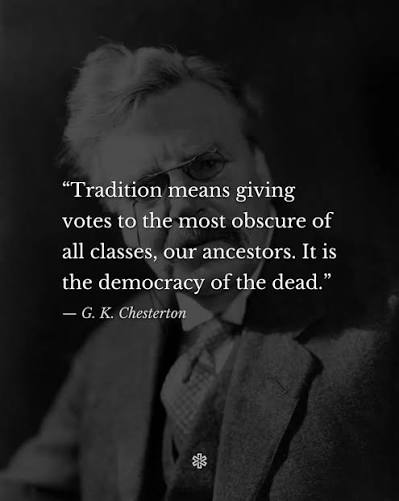
G.K. Chesterton made a similar argument about tradition. Chesterton warns against tearing down a fence when you do not understand why it was built in the first place. Tradition is the influence that previous generations have had on how society moves forward. Previous generations were not always right, as slavery clearly shows, but that does not mean everything they passed down should be thrown away. Much of Western civilization was built on ideas about individual freedom and property that are still valuable today. Conservatism, in this sense, is not simply about keeping everything old; it is about understanding what has worked before changing it.
Free speech also depends on property rights. During World War I, Oliver Wendell Holmes argued that free speech could have limits, famously using the example of someone falsely shouting “fire” in a crowded theater. However, the theater example can also be understood as a property-rights issue. The theater owner owns the building and the performance, while the people who bought tickets have voluntarily agreed to enter the theater and therefore have a right to the time they paid to spend watching the performance. Someone deliberately shouting “fire” when there is no fire would interfere with the property rights of both the owner and the audience. But it is obviously different if there is actually a fire. In that case, warning people is not an abuse of free speech because there is a real danger that needs to be addressed. Eugene V. Debs's opposition to World War I provides a real-life example of this distinction. The “fire” was not imaginary. People were being involuntarily drafted and sent to fight in a war where many were dying. From this perspective, restricting Debs's speech was not simply preventing someone from falsely shouting “fire”; it was preventing someone from warning people about what he believed was a real danger.
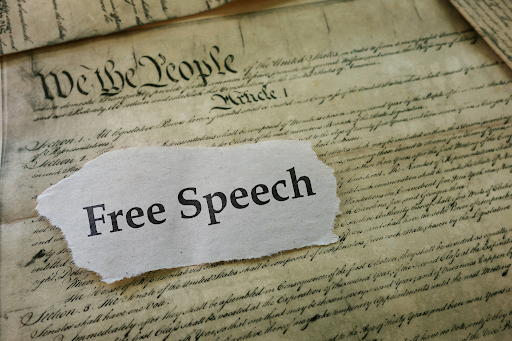
This shows why property rights and other human rights cannot always be separated. People need control over their own resources in order to make meaningful choices about their lives. If someone else has complete control over those resources, then freedom of speech, freedom of association, and other rights can become promises that exist only on paper. Tradition has preserved many of these ideas by passing them from one generation to another, even though society must still be willing to correct traditions that are genuinely unjust.
Property rights and other freedoms cannot be separated. People cannot fully control where their lives go if they have no control over the resources that allow them to make choices. When government takes that control away without sufficient justification, it can interfere with the very freedoms it is supposed to protect. Protecting property therefore protects more than possessions; it helps protect the freedom to decide what to do with one's own life.


Comments