
Peter & Wendy, III: Sincerity & Fairness Over Form

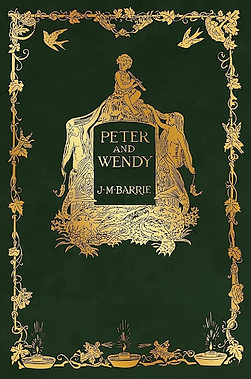
In Peter & Wendy, written by J. M. Barrie, Captain Hook is presented as a tyrannical but often ridiculous pirate who demands respect from everyone around him. Although he can be violent and frightening toward the Lost Boys, his incompetence and exaggerated concern for his own authority make him more of a foolish caricature of power than an impressive figure. Hook is deeply concerned with status, manners, and the appearance of being respectable, even when those concerns conflict with his actual behavior. Through Hook and Mr. Darling, Barrie explores how the performance of good values can become a form of tyranny when people care more about appearing virtuous than understanding what those values mean.
Hook's obsession with respect is especially clear in his concern for how the children perceive him. Although he spends much of the story trying to frighten and defeat them, he is still bothered by the fact that they dislike him. He wants to be feared, but he also wants their approval, revealing the insecurity beneath his authority. This contradiction reflects a broader form of tyrannical behavior in which a person believes that others owe him admiration simply because of his position. Like a ruler who demands loyalty while treating disagreement as disrespect, Hook expects people to appreciate the very behavior that makes them dislike him. He expects consideration and admiration from the children while refusing to treat them with the same consideration himself. His authority is therefore built around maintaining his status rather than earning genuine respect.

This need for recognition also explains Hook's obsession with what he calls "good form." Having attended a famous public school, Hook continues to follow its traditions and treats proper manners as though they are the most important measure of a person's worth. However, Barrie shows that Hook's understanding of good form is largely based on rules and appearances rather than sincere character. This becomes especially clear when Hook notices that Smee is lovable without seeming to make any effort to earn that affection. Hook struggles to understand how someone can possess good form without consciously trying to display it. The difference makes Hook insecure because Smee possesses the very quality Hook tries so hard to demonstrate, yet Smee does not even seem aware of it. Hook understands manners as something that establishes superiority, rather than as a reflection of genuine consideration for others.
Mr. Darling provides another example of how the performance of good values can become self-serving. After the children disappear, he feels responsible for what happened to Nana and decides that he deserves to live in her kennel as punishment. At first, this appears to be an act of humility and remorse. However, Mr. Darling turns his punishment into a public display, and he eventually receives admiration and attention for it. His behavior becomes especially revealing when he continues making demands of his wife, even while claiming to be humbling himself. Although he believes he is demonstrating how sorry he is, he has not entirely moved beyond the self-centered behavior that caused the problem in the first place. Like Hook, Mr. Darling becomes more concerned with the appearance of a particular virtue than with understanding what that virtue actually requires.
The author uses these characters to suggest that good values lose their meaning when people follow them only because they have been taught that they are supposed to. Manners, humility, and respect can help people treat one another well, but they can also become tools for demanding approval and control when they are separated from their purpose. This is why philosophy and self-reflection matter: people must understand why they believe in their values rather than simply imitate the behaviors they have been told are good. Otherwise, they risk perpetuating the very attitudes they believe they are rejecting. Good form is not the same as goodness, especially when the need to appear good becomes more important than actually being good.

Works Cited
Boulton, Nell. “Peter Pan and the Flight from Reality: A Tale of Narcissism, Nostalgia and Narrative Trespass.” Psychodynamic Practice, vol. 12, no. 3, 2006, pp. 307–17. https://doi.org/10.1080/14753630600765709.


Comments